
Life has a funny way of surprising us when we least expect it. Picture sitting down for a quiet family dinner, taking a bite of something ordinary like a crusty roll or a piece of hard candy, and suddenly feeling a strange pop. You run your tongue along your back molars and realize something feels sharp and uneven. Dealing with a cracked, chipped, or weakened tooth can throw off your entire week and make every single meal feel like a risky guessing game.
When a tooth loses its structural strength, simply crossing your fingers and hoping for the best rarely works out. Without some form of reinforcement, small fractures have a frustrating habit of spreading over time. That leaves the delicate inner nerves exposed to temperature changes, pressure, and bacteria. For anyone searching for reliable restorative care close to home, finding experienced professionals who offer quality dental crowns in Rivervale, NJ can make all the difference in bringing comfort back to daily life.
Let us walk through why these restorations are commonly recommended, what the clinical process typically involves, and how a custom cap can help you chew, speak, and smile without second-guessing every movement.
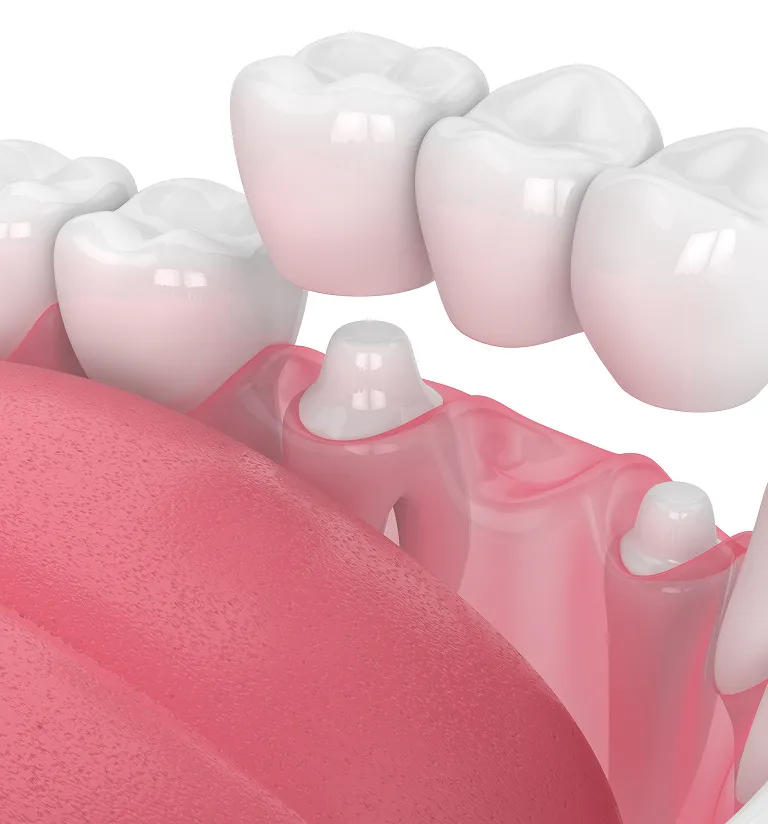
Think of a dental crown as a sturdy, custom-tailored helmet for an individual tooth. When a tooth is too compromised for a standard filling but still has a healthy, solid root foundation underneath, a crown fits completely over the remaining natural structure. It helps protect the tooth from further daily wear and tear.
Traditionally crafted from durable materials like strong porcelain, ceramic, or metal alloys, modern restorations are designed to blend in seamlessly with the rest of your smile. A carefully fabricated crown matches the shade, surface texture, and contours of your neighboring teeth, ensuring that your dental work remains your own private affair. It acts as a dependable protective shield, absorbing the heavy forces of biting and grinding while keeping the delicate interior safe underneath.
Dental professionals rarely suggest a crown without a clear clinical purpose. Usually, a full coverage restoration becomes the best path forward when a tooth faces challenges that simple preventive fillings simply cannot resolve.
If a tooth is fractured, chipped extensively, or weakened from years of heavy use, a standard filling will not provide sufficient mechanical support. A crown holds the remaining pieces together, reducing the likelihood that a fracture will split down toward the root and cause deeper trouble.
When a tooth undergoes a root canal, the infected or inflamed pulp tissue is removed to stop an infection. While this relieves pain, the remaining tooth structure may be weakened depending on the amount of tooth structure lost. Placing a crown over a treated tooth helps it withstand everyday chewing pressures and reduces the risk of fracturing.
Years of nighttime teeth grinding or chronic acid reflux can sand down natural teeth until they appear short and flat. Crowns can help restore proper tooth height and biting contours, improving the tooth’s function.
If you are missing a tooth, a conventional fixed bridge may rely on the teeth on either side of the gap for support, with those teeth typically prepared for crowns. This helps securely hold the replacement tooth in position, restoring a complete arch.
Getting a custom crown generally takes a couple of appointments, though modern digital advancements have streamlined the experience considerably. Knowing what to expect step by step can help ease any natural hesitations you might feel about sitting in the dental chair.
During your first visit, the dentist gently shapes the damaged tooth to create proper space for the new restoration. This involves removing any compromised areas and smoothing the outer walls so the cap will fit snugly. Once the tooth is prepared, the team captures precise digital scans or physical impressions of your bite. These details are sent to a trusted dental laboratory where your custom crown is meticulously built. Before you leave, a temporary cover is placed over the tooth to keep it comfortable while you wait for the permanent version.
When your permanent restoration arrives back at the office, you return for a brief second appointment. The temporary cover is removed, and the new crown is placed over your tooth to check its fit, bite alignment, and appearance. The dentist makes any minor adjustments needed before bonding the restoration permanently into place with a strong dental cement. After a final polish, you leave with a fully restored and functional tooth.
One of the great advantages of a modern dental crown is how straightforward it is to maintain. Because the artificial material itself cannot decay, some people assume that specific tooth requires no further attention. However, the natural tooth structure sitting right at the gumline remains vulnerable to plaque accumulation and gum disease.
Keeping your restoration in top shape involves the same everyday habits you use for your natural teeth:
With consistent daily care and routine monitoring, a well-fitted crown can serve you well for many years, protecting your bite and keeping your smile looking bright.
Living with a compromised tooth or a lingering ache takes a daily toll on your routine. You deserve to enjoy your favorite meals without wincing or worrying about whether your tooth can handle the pressure. Taking action early helps prevent minor dental concerns from developing into complex emergencies that require more involved treatment.
If you are dealing with a damaged tooth or want to explore your options for restorative care, help is right in your neighborhood. Schedule a consultation with the team at All Dental Solutions NJ to discuss your choices for dental crowns in Rivervale, NJ, and discover a welcoming environment dedicated to your long-term wellness.
Q: Does getting a dental crown cause discomfort?
A: The procedure is performed with local anesthesia, meaning the treatment area is thoroughly numbed beforehand to keep you comfortable. You might notice some mild gum tenderness for a day or two after the numbness wears off, but this typically fades quickly.
Q: How long does a typical dental crown last?
A: With dedicated daily hygiene, regular professional checkups, and a balanced diet, a quality crown can often last 10 years or longer. Avoiding habits like chewing on ice helps protect the material from unexpected chipping.
Q: Can a crown get a cavity underneath it?
A: The crown material itself cannot develop tooth decay. However, bacteria can still collect along the gumline where the natural tooth meets the edge of the restoration, which may lead to decay on the underlying tooth structure if daily hygiene slips.
Q: Will the crown look natural next to my other teeth?
A: Modern ceramic and porcelain materials are carefully selected to closely match the shade, color variation, and translucency of your surrounding teeth, helping the restoration blend smoothly into your natural smile.