
Life changes in unexpected ways, and sometimes our dental health takes a turn we never quite anticipated. Picture sitting down for a family dinner, only to find yourself avoiding your favorite foods because missing or failing teeth make chewing uncomfortable. Maybe you have noticed that you catch yourself hiding your smile in photographs or covering your mouth when you laugh with friends. Dealing with multiple missing teeth can quietly chip away at your daily confidence and make simple routines feel surprisingly stressful.
When gaps in your smile start affecting your nutrition, your speech, or your self esteem, ignoring the problem is rarely a satisfying solution. Without proper support, missing teeth can contribute to changes in facial appearance, while remaining teeth may begin shifting out of position to fill the empty space. For residents searching for compassionate restorative care close to home, finding experienced professionals who offer quality dentures in Rivervale NJ can help you regain your bite, support your facial structure, and return to enjoying life without hesitation.
Let us explore why replacement options are commonly considered, what the process looks like from start to finish, and how modern appliances can help you eat, speak, and smile naturally again.
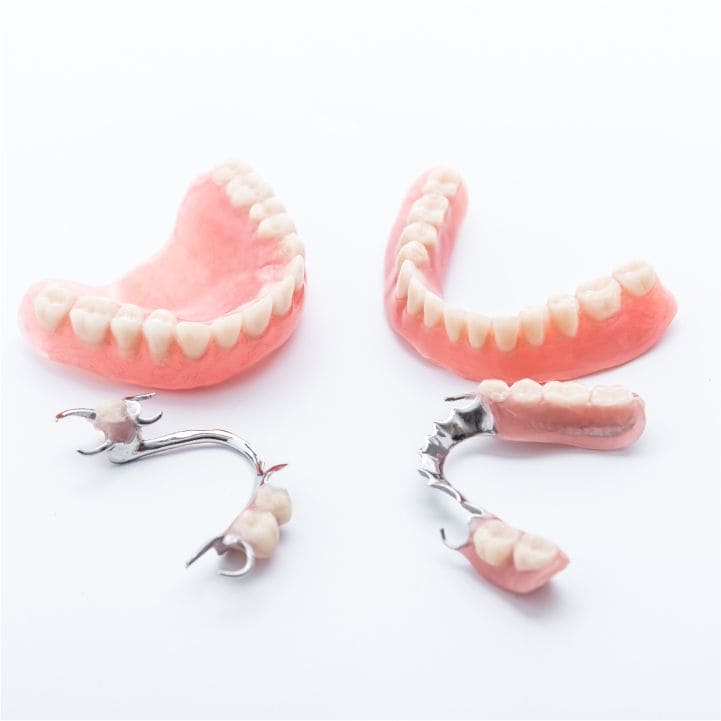
When people hear the word dentures, they often picture bulky, unnatural appliances from decades past. Fortunately, modern restorative dentistry has evolved by leaps and bounds. Today’s tooth replacements are carefully crafted using advanced materials and precise measurements, resulting in appliances that look remarkably lifelike and feel much more secure than older styles.
Depending on how many teeth you are missing, a dentist will typically recommend one of two main categories:
If you have lost most or all of your teeth along an upper or lower arch, a full set of replacement teeth may be the ideal path forward. These appliances rest comfortably along your gum tissue, held securely in place through natural suction, muscular adaptation, or sometimes the support of dental implants. They restore your entire bite, allowing you to chew a wider variety of foods and giving your cheeks and lips the structural support they need.
If you still have several healthy, strong teeth remaining in your mouth, a partial denture acts much like a specialized bridge. It features replacement teeth attached to a natural looking base that blends in with your gums, held discreetly in place by small, comfortable clasps that attach to your existing teeth. This option fills in the gaps while keeping your healthy natural teeth right where they belong.
Transitioning to a new appliance is an exciting step, but it is completely normal to feel a mixture of anticipation and nervousness. Knowing what happens during the process helps take the mystery out of the experience.
Everything begins with an open conversation. During your first visit, the dentist examines your mouth, reviews your dental history, and discusses your personal goals. If any remaining damaged teeth need to be removed before your appliance can be fitted, the team creates a careful plan to keep you comfortable every step of the way.
Next, the dental team captures precise impressions and bite measurements of your mouth. These details are sent to a specialized laboratory where skilled technicians handcraft your custom appliance. During this phase, you get to help choose the shade and shape of the replacement teeth, ensuring the final result complements your natural facial features.
Once your custom appliance arrives at the office, you return for a fitting appointment. The dentist checks how the appliance rests against your gums and evaluates your bite alignment. Minor adjustments are often made right in the office to eliminate any pressure points and ensure a snug, comfortable fit.
Getting used to wearing a new appliance takes a little bit of patience. Just like breaking in a brand new pair of shoes, your mouth needs a brief adjustment period to build up comfort and familiarity.
Here are a few gentle tips to help make the transition smoother during your first couple of weeks:
Living with missing teeth or an uncomfortable bite impacts far more than just your appearance. It changes how you socialize, how you eat, and how you feel about yourself when you step out the door. You deserve to live life fully without constantly worrying about your teeth.
If you are curious about your replacement options or want to learn more about restoring your smile, help is right in your neighborhood. Schedule a consultation with the team at All Dental Solutions NJ to discuss your choices for dentures in Rivervale NJ, and discover a welcoming, supportive environment dedicated to your oral health and daily comfort.
Q: Will my new appliance feel bulky or awkward at first?
A: It is completely normal for a new appliance to feel unusual during the first few days. Your tongue and cheek muscles need time to adjust. As the days pass, it should feel more natural and comfortable.
Q: Can I sleep with my appliance in place?
A: Dental professionals generally recommend taking your appliance out before sleeping. This allows your gum tissues to rest and helps maintain good oral hygiene.
Q: How often will my appliance need to be replaced or adjusted?
A: Your jawbone and gum tissues gradually change over time, which can cause your appliance to feel loose. Regular checkups allow your dentist to monitor the fit and make adjustments as needed.
Q: Can I eat all my favorite foods once I am used to my new appliance?
A: Most people can return to a varied diet once they become comfortable with their appliance. However, it is wise to use caution with extremely sticky, hard, or chewy foods that could dislodge or damage it.