
Relieve tooth pain and protect your natural smile with comfortable, modern root canal treatment in Montvale, NJ.
Hearing the words root canal treatment can instantly send a shiver down the spine of almost anyone. For generations, pop culture and old stories have painted this specific dental procedure as something to dread. If you are dealing with a throbbing toothache or persistent sensitivity that keeps you awake at night, the mere thought of visiting a clinic for endodontic care can feel overwhelming. But in reality, modern dentistry has completely transformed this procedure, turning what used to be a feared appointment into a routine, comfortable solution that can help relieve your pain.
When deep tooth decay or a physical fracture allows bacteria to invade the delicate interior of your tooth, the resulting inflammation can be excruciating. Ignoring that ache or hoping it will miraculously resolve on its own only allows the infection to spread further into the surrounding bone. For local residents searching for reliable and compassionate care close to home, finding experienced professionals who offer quality root canal treatment in Montvale NJ can make all the difference in stopping your discomfort and saving your natural tooth.
Let us walk through why this treatment becomes necessary, what the actual clinical steps involve, and how contemporary techniques ensure you stay comfortable from start to finish.
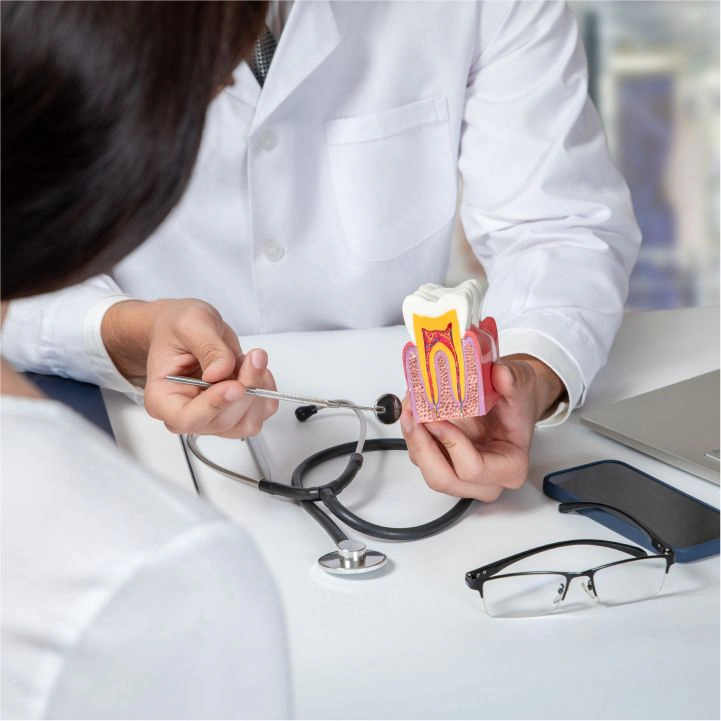
To appreciate why a root canal is sometimes the best path forward, it helps to take a quick look at the anatomy of your teeth. Beneath your hard white enamel and the supporting layer of dentin lies a soft bundle of tissue known as the pulp. This internal chamber contains blood vessels, connective tissue, and nerve endings that help nourish the tooth during its growth and development.
Once a tooth is fully mature, it can actually survive without that internal nerve network because it continues to receive nourishment from the surrounding tissues. However, when deep decay goes untreated or a hard blow cracks the outer shell, bacteria can breach these protective layers and invade the pulp chamber.
When bacteria set up camp inside the pulp, the tissue becomes irritated and inflamed. Because the inner chamber is rigid and cannot expand, that swelling creates immense pressure on the surrounding nerve endings, resulting in that familiar, relentless throbbing pain. A root canal cleans out the infected tissue, relieves the pressure, and seals the space to protect your oral health.
Your body is remarkably good at sending signals when something is wrong. Recognizing the early indicators of internal tooth trouble can help you seek help before an infection turns into a severe dental emergency.
Common symptoms that suggest you might need a closer evaluation include:
If you notice any of these signs, scheduling a professional evaluation is the wisest step you can take.
If you have never experienced endodontic therapy before, the unknown can feel a bit intimidating. Knowing what actually happens during the appointment can help take the anxiety out of the chair.
Your visit begins with a thorough examination and digital imaging to assess the shape of the root canals and determine the extent of the infection. Once the plan is confirmed, the dentist or endodontist applies a strong local anesthetic to thoroughly numb the tooth and the surrounding gum tissue. This helps ensure you remain comfortable throughout the procedure.
Once the area is completely numb, a protective dental dam is placed around the tooth to keep the workspace clean and dry. The dentist makes a tiny opening in the crown of the tooth to access the infected pulp chamber. Using specialized, flexible instruments, the inflamed tissue is gently cleaned out of the canals, and the space is washed with antibacterial solutions to clear away remaining bacteria.
After the canals are thoroughly cleansed and shaped, the empty space is filled with a biocompatible rubber like material called gutta percha. This material seals the canals, helping prevent bacteria from reentering the area.
Because a tooth that has undergone a root canal can be more susceptible to fracture, the dentist may recommend placing a custom dental crown over the treated tooth during a follow up visit to restore its strength and function.
One of the most common myths about root canal treatment is that it involves a long, painful recovery period. In reality, because the procedure removes the infected pulp causing your pain, many patients experience significant relief after treatment.
You might notice some mild gum tenderness or minor soreness around the jaw from holding your mouth open during the visit, but this is typically manageable and fades within a few days.
Maintaining your restored tooth requires the exact same habits you use for the rest of your mouth:
Living with chronic tooth pain or sensitivity drains your energy and makes everyday moments like sharing a meal feel like a chore. You do not have to simply push through the discomfort or wait for the problem to resolve itself. Modern endodontic care is designed to be gentle, efficient, and effective at helping restore your comfort.
If you are dealing with a persistent ache or want to explore your options for restorative health, the team at All Dental Solutions NJ is here to support you. Reach out today to schedule a consultation for root canal treatment in Montvale NJ, and discover a welcoming environment dedicated to your well-being.
Q: Does a root canal procedure hurt?
A: Modern local anesthetics and advanced techniques make root canal treatment generally no more uncomfortable than getting a routine filling. The procedure is designed to relieve pain caused by an infected tooth.
Q: Why do I need a crown after a root canal?
A: A treated tooth can be more susceptible to fracture. A custom crown provides structural support and helps protect the tooth during chewing.
Q: How long does the entire root canal process take?
A: Many standard root canals can be completed in a single appointment lasting about 60 to 90 minutes, depending on the tooth and its anatomy. A separate visit may be scheduled for the permanent crown.
Q: Can any tooth be saved with a root canal?
A: Many compromised teeth can be saved through endodontic therapy. However, teeth with deep cracks or inadequate supporting bone may require alternative treatment.
Q: What are the alternatives to getting a root canal?
A: The main alternative is extracting the tooth. After extraction, the space may be replaced with a dental bridge, implant, or partial denture to restore function and help prevent surrounding teeth from shifting.