
Treat cavities early with comfortable dental fillings that restore damaged teeth and help protect your natural smile.
Life gets busy, and it is incredibly easy to brush off a minor toothache when you have a packed schedule. Maybe you notice a quick, sharp pinch when you sip your morning coffee. Perhaps there is a dull ache that shows up right after you finish a sweet dessert. Many of us try to ignore these little warning signs, hoping they will just disappear on their own. However, when your mouth starts sending you these repeated signals, it usually means a cavity is slowly developing beneath the surface of your enamel.
Let us be honest, finding out you have a cavity is never the highlight of anyone’s day. It is a very common experience, yet it still causes a bit of stress. The good news is that catching the decay early keeps the solution simple and straightforward. When you address a cavity in its initial stages, you prevent the bacteria from spreading deeper into the sensitive inner layers of your tooth. For residents looking for reliable and compassionate care close to home, finding a trusted team for dental fillings in Montvale NJ is the first step toward getting your daily comfort back.
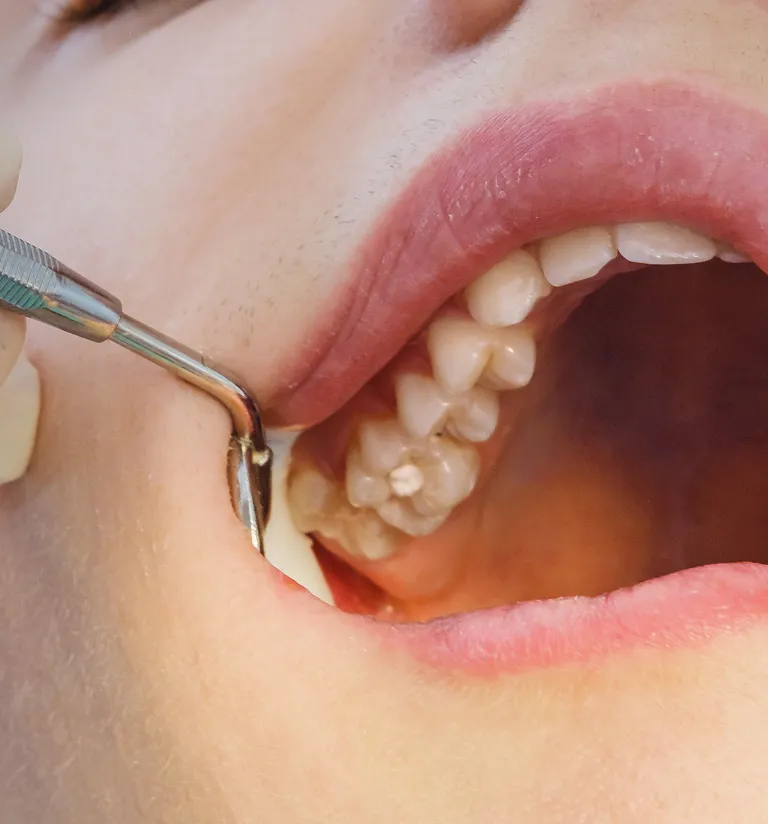
How do you know when it is time to schedule a visit? Cavities can be tricky because they do not always cause pain right away. In the very early stages, you might not feel anything at all. This is exactly why routine checkups are so highly recommended. A professional can spot a weak spot long before it starts keeping you awake at night.
As the decay progresses, you might start noticing a few common symptoms. Sensitivity to hot and cold temperatures is usually the first clue. You might also feel a sudden jolt of discomfort when eating sugary or highly acidic foods. Sometimes, you can actually feel a rough edge or a tiny pit in your tooth with your tongue. If your dental floss keeps catching or tearing in one specific spot between your teeth, that can also indicate an uneven surface caused by decay. Paying attention to these subtle changes helps you stay ahead of bigger dental problems.
To understand why a restorative filling is so important, it helps to look at how a cavity actually forms. Your mouth is a naturally busy environment. Every time you eat a meal or drink a beverage, the natural bacteria in your mouth interact with the sugars and carbohydrates left behind. This interaction produces mild acids.
Over time, these acids launch a quiet attack on your tooth enamel, which is the hard outer shield of your tooth. If the acid sits there long enough, it begins to dissolve the essential minerals that keep the enamel strong. Eventually, a small microscopic hole develops. Once that protective barrier is broken, the decay spreads into the softer layer underneath, known as the dentin. Because dentin contains microscopic pathways that lead directly to the nerve center of your tooth, you start feeling those familiar zings of pain. A filling clears away the damaged tissue and seals the tooth back up securely.
Years ago, getting a cavity fixed usually meant receiving a silver amalgam restoration. While those metal fillings were certainly durable, they stood out very clearly whenever you laughed or spoke. Additionally, placing a metal filling often required the dentist to remove a bit of extra healthy tooth structure just to create a mechanical ledge for the metal to hold onto.
Today, dentistry has embraced much more advanced and aesthetically pleasing materials. The vast majority of modern clinics now utilize composite resin. This material offers some incredible benefits for patients. First and foremost, the composite is carefully color matched to the exact shade of your natural enamel. Once it is polished, it is visually blended with the rest of your tooth.
Beyond the visual appeal, composite resin actually bonds chemically directly to the tooth structure. This means the dentist only needs to remove the decayed portion, allowing you to keep much more of your natural, healthy tooth intact. Furthermore, resin does not expand and contract wildly when exposed to hot or cold foods the way metal does. This stability helps prevent tiny stress fractures from developing around the edges of the filling as the years go by.
If it has been a while since your last restorative visit, you might feel a little nervous about sitting in the chair. That is completely normal. Knowing exactly what happens during the appointment can help ease your mind and take the mystery out of the process.
First, your dental team will review any necessary digital images to see exactly how far the decay has spread. Once the plan is clear, the dentist will apply a local anesthetic to thoroughly numb the tooth and the surrounding gum tissue. This step is very important because it helps ensure you remain completely comfortable and relaxed throughout the entire procedure.
When the area is fully numb, the dentist uses specialized instruments to gently clear away the softened, decayed material. Cleaning out the cavity removes the harmful bacteria and leaves a clean foundation. Next, a mild conditioning liquid is applied to the tooth to help the bonding agent grip tightly.
The dentist then applies the tooth colored composite resin in thin layers, carefully filling the empty space. A specialized curing light is used to harden each layer in a matter of seconds. Once the space is completely filled, the dentist shapes the material so it matches the natural slopes and grooves of your bite. A final polish leaves the tooth feeling incredibly smooth, meaning you can walk out of the office and get right back to your day.
Getting a filling resolves your current cavity, but it does not make that tooth completely invincible. The composite material itself cannot get a cavity, but the natural tooth structure surrounding the restoration remains just as vulnerable to plaque and acid as it always was.
Keeping your restored smile in great shape simply comes down to maintaining excellent daily habits. You should brush thoroughly twice a day using a soft toothbrush and a fluoride toothpaste. Flossing carefully at least once a day is also essential to remove food particles that get trapped between your teeth, which is a very common spot for new cavities to hide. And of course, keeping up with your regular professional cleanings allows your dental team to monitor your fillings and catch any new warning signs very early on.
Living with tooth sensitivity can make everyday moments feel stressful. You should not have to map out which side of your mouth is safe to chew on before you sit down for a meal. By treating cavities early, you protect your long term health and keep your natural teeth strong for years to come.
If you are experiencing discomfort or suspect you might need a restoration, the team at All Dental Solutions NJ is here to help. Reach out to schedule a consultation for dental fillings in Montvale NJ, and discover a caring, patient focused environment dedicated to keeping your smile healthy and comfortable.
Q: Does getting a dental filling hurt?
A: The procedure uses local anesthesia to numb the treatment area, so you should not feel pain while the decay is removed and the filling is placed. Mild gum tenderness may occur after the numbness wears off but usually fades quickly.
Q: How long do composite fillings usually last?
A: With daily brushing, careful flossing, and regular checkups, modern tooth colored fillings can last for many years. Avoiding habits like chewing on hard ice helps protect them from premature wear and chipping.
Q: Can a tooth colored filling stain over time?
A: Modern composite resins resist discoloration, but coffee, tea, and tobacco can gradually affect their appearance over the years. Good oral hygiene helps keep the surface looking bright.
Q: Can old metal fillings be replaced with tooth colored ones?
A: Yes, many patients replace older amalgam fillings for aesthetic reasons or when the metal starts wearing down around the edges. A professional can evaluate your restorations and determine whether replacement is appropriate.
Q: Will my tooth feel sensitive after the appointment?
A: Mild sensitivity to hot or cold foods for a few days after a new filling is fairly common. If sensitivity lasts longer than a couple of weeks, contact your dental office for an evaluation and possible adjustment.