Contact us today to schedule an appointment with All Dental Solutions. We look forward to helping you achieve your healthiest smile!
Location
70 Park Ave Ste 1
Park Ridge, NJ 07656
Phone
Phone
(201) 505-9000
Office Hours
Mon-Fri: 9AM - 5PM
Sat: By appointment
Email
info@alldentalsolutionsnj.com
Book Your Appointment
How to Know If You Need a Root Canal: Early Signs You Shouldn’t Ignore!
When you hear the term root canal, it is normal to feel a bit nervous. Many people worry about the procedure, but it is actually a standard way to save a tooth that is badly decayed or infected. Rather than being a painful experience, it is often a relief for those suffering from constant discomfort. If you find yourself wondering do I need a root canal, understanding the early warning signs can help you feel much more prepared. Recognizing the signs you need a root canal early is often the best way to protect your oral health and keep your natural smile intact.
Understanding What a Root Canal Does
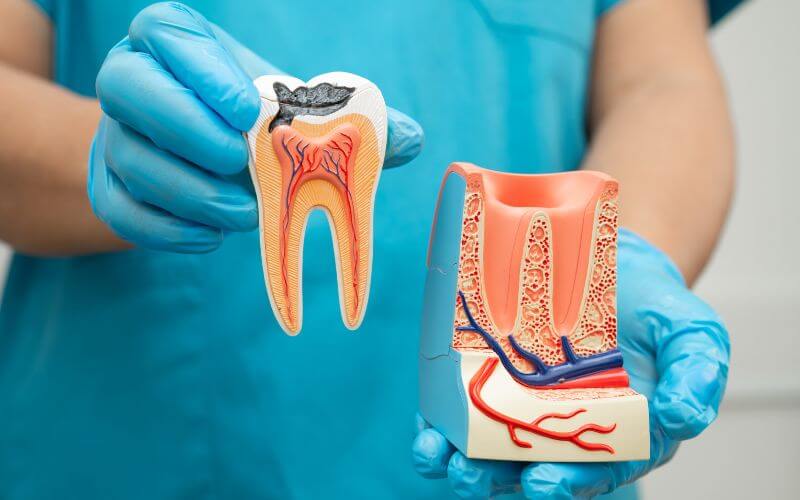
Inside your tooth, there is a space called the pulp chamber that holds nerves and blood vessels. When this area becomes inflamed or infected due to deep decay, cracks, or trauma, it can cause significant discomfort. A root canal simply cleans this area out and seals it to prevent further issues. It is a way to restore the health of your tooth so you do not have to lose it. Many patients arrive at our office asking, do I need a root canal, when they start feeling consistent pain. By addressing these signs you need a root canal quickly, we can often keep your natural tooth healthy and strong.
Key Indicators to Watch For!
It is helpful to know the common root canal symptoms that signal a problem. Sometimes they start small and grow over time, and other times they come on fast. Paying attention to these signals is important for your oral health.
Lingering Pain
If you have a persistent ache or pain when chewing, it is a significant red flag. You might find yourself chewing only on one side of your mouth to avoid the discomfort. Pain that keeps you up at night is also a strong indicator that you should ask, do I need a root canal. This type of ongoing pain is one of the classic root canal symptoms that suggests the nerve inside is irritated.
Temperature Sensitivity
We all have minor sensitivity, but if hot or cold makes you wince long after the food or drink is gone, it is a warning. This lingering reaction often points to nerve inflammation. When evaluating root canal symptoms, this lingering sensitivity is frequently a major signal that the internal nerves may be compromised. If you find yourself avoiding your favorite morning coffee or an evening ice cream because of the pain, it is a good idea to seek an evaluation.
Swelling and Other Changes
If you notice a pimple on your gums or general facial swelling, these are clear tooth infection symptoms. You should also look for a darkening of the tooth, which suggests the internal structure is failing. If you are experiencing these tooth infection symptoms, it is time for a professional check. When you learn about when is a root canal necessary, you will see that these physical changes are your body asking for help. A dark tooth often indicates that the pulp has died, and ignoring this can lead to more complex problems later.
A Chipped or Cracked Tooth
If you have experienced a chip or a crack in your tooth, bacteria can find its way into the pulp chamber. Even if you do not feel pain immediately, the damage can allow germs to reach the nerves and blood vessels inside. Sometimes, the pain from a crack only appears when you bite down in a specific way. If you have had any trauma to your teeth, whether from a sports injury or just biting down on something hard, it is smart to monitor that tooth closely. When considering when is a root canal necessary, a crack that allows bacteria to enter the nerve chamber is a primary reason to seek care.
The Importance of Professional Assessment
It is common to ask yourself, do I need a root canal, when you feel like something is not quite right. While only a professional can give you a definitive answer, there are clear indicators that suggest you should book an exam. Understanding when is a root canal necessary helps you avoid unnecessary stress and allows you to catch issues before they turn into emergencies.
When you suspect you have tooth infection symptoms, it is important to act sooner rather than later. We often hear from patients who try to wait out the pain, hoping it will resolve on its own.
While it is natural to want to avoid the dentist, dental infections do not typically get better without intervention. Ignoring these signals can sometimes allow the infection to spread to the bone or the surrounding tissues, which makes the recovery process more complex. Seeking a professional opinion helps you understand if the infection is contained or if it requires more direct treatment. If you are researching the signs you need a root canal, you are already on the right track toward preserving your natural smile.
Why Early Treatment Matters
It is tempting to wait and see if pain goes away, but dental infections rarely heal on their own. When you consider when is a root canal necessary, think about the long term health of your smile. Ignoring tooth infection symptoms can lead to more serious issues that could potentially jeopardize the tooth. Knowing when is a root canal necessary allows you to choose a simpler, more effective path to recovery. If you are dealing with these root canal symptoms, getting an exam now is the smartest move for your health.
Getting a professional opinion gives you a clear picture of what is happening and allows you to make an informed choice about your health. It is always helpful to have a professional assess your specific situation rather than guessing. When you work with a team you trust, the entire experience becomes much more manageable.
Taking the Next Step
Understanding the signs is a great way to take control of your oral health. If you recognize any of the indicators we have discussed, remember that there is no need to panic. The goal of a root canal is simply to get you back to feeling like yourself again. You do not have to live with discomfort or worry about the status of your tooth. Many of our patients find that once they know the answer to, do I need a root canal, they feel a great sense of relief because they have a plan.
Contact Dentist in Park Ridge, NJ – All Dental Solutions
If you suspect you have these issues, please contact Dr. Krausz a Dentist in Park Ridge, New Jersey – All Dental Solutions. We are here to help you understand if these are truly the signs you need a root canal and guide you toward the best care. We believe in providing honest, straightforward information so you can make decisions that feel right for you. We look forward to helping you restore your comfort. You do not have to guess if do I need a root canal because we are here to provide clear answers.
When you have concerns about root canal symptoms or tooth infection symptoms, it is best to speak with someone who can evaluate your unique situation. When is a root canal necessary is a question that depends on your specific dental health, and we are here to walk you through that. We look forward to helping you restore your comfort and your confidence. Give us a call or stop by to schedule your visit. We want to be your partners in maintaining a healthy, vibrant smile for years to come.
Frequently Asked Questions!
Q: Does a root canal procedure hurt?
A: Many people are surprised to find that a root canal is often no more uncomfortable than getting a standard filling. Modern dental techniques and anesthesia are designed to help keep you comfortable throughout the process.
Q: How do I know if I need a root canal?
A: You might ask, do I need a root canal, if you have persistent pain, lingering sensitivity, or gum swelling. The only way to know for sure is a professional exam.
Q: Are there other signs you need a root canal?
A: Yes, a chipped or cracked tooth can let bacteria inside, which is why a professional check is important when you notice these root canal symptoms.
Q: Is it better to just pull the tooth?
A: Whenever possible, keeping your natural tooth is better. Your own teeth are generally stronger and function better than a replacement. A root canal is a way to save your natural tooth so you do not have to worry about the long term impact of a missing tooth. Understanding when is a root canal necessary helps you save your smile.
Q: Is it possible that I need a root canal even if I am not experiencing any symptoms?
A: Yes. It is possible to need a root canal even if you are not experiencing pain or other noticeable symptoms. Dental X-rays are essential diagnostic tools that allow your dentist to see what is happening beneath the surface of the tooth. They can reveal deep decay that has reached the pulp, abscesses at the root tip, bone loss around the tooth, and other signs of infection that may not be visible during a clinical exam. A dark shadow at the end of a tooth root often indicates an abscess or an area of bone destruction caused by infection. These findings help your dentist determine whether root canal therapy is necessary, even before symptoms develop. Early treatment can prevent the infection from spreading and help save the tooth.
Q: Do I always need a crown after a root canal treatment?
A:In many cases, yes. A dental crown acts like a protective cover, restoring the tooth’s strength, function, and appearance.
Q:What are the common tooth infection symptoms?
A: Common tooth infection symptoms include pain, swelling, and tooth discoloration. If you notice these, it is a good time to visit your dentist.